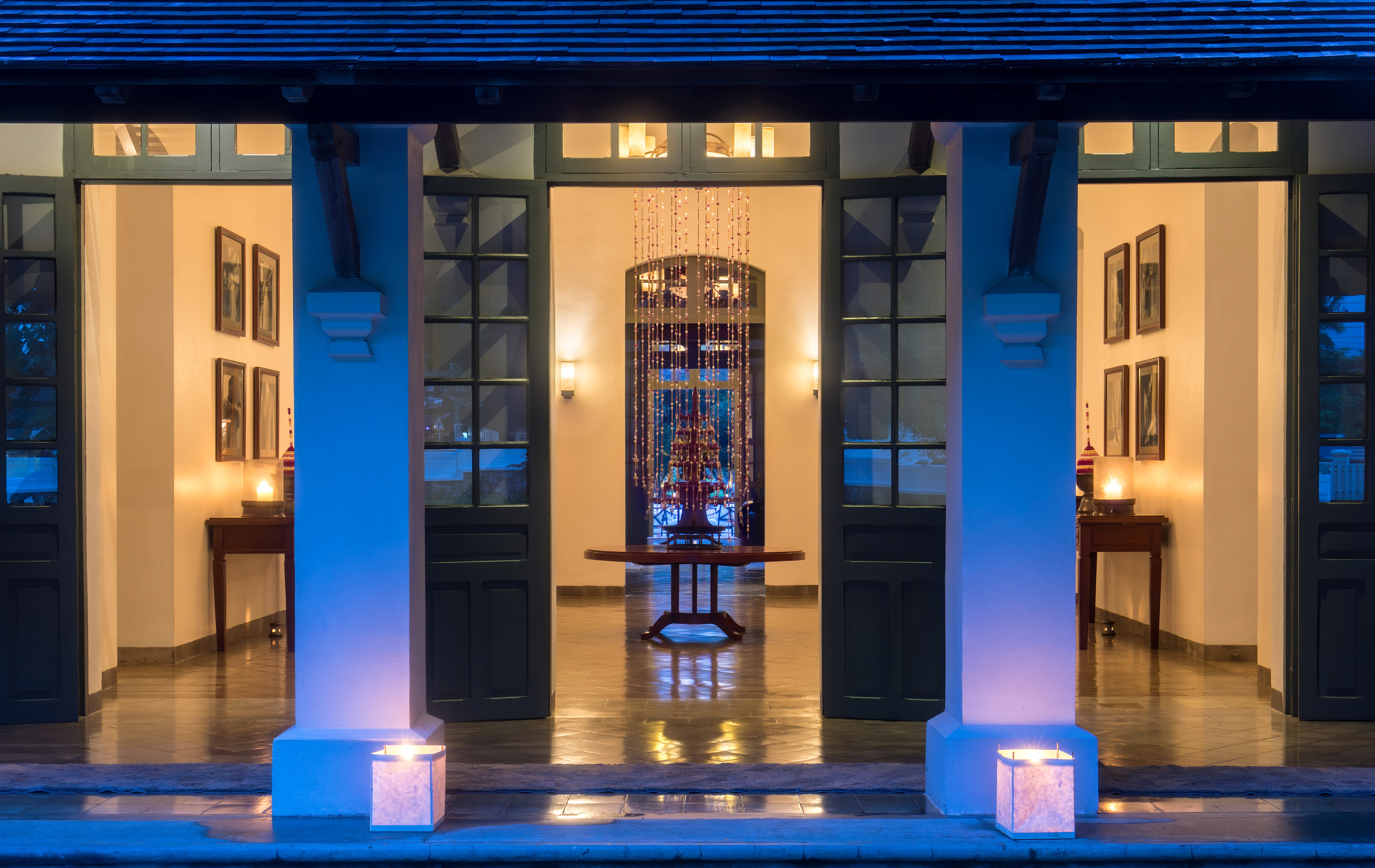
Introduction to Parisian Cuisine
Paris is a city where the simplest meals can leave a lasting impression. A good Parisian food guide does not need to chase trends; it just needs to point you toward the dishes that have earned their place on menus, in bakeries, and at long, unhurried tables. If you are planning time near Hôtel George Sand, the local food scene is easy to enjoy one plate at a time.
For a broader look at the neighborhood and travel planning, you can also start with the homepage and browse the blog index for more local guides. When you want the hotel background itself, the about page gives you a simple overview.

For a reliable overview of French food traditions, the French cuisine and Paris pages are a useful starting point. For practical restaurant context, the MICHELIN Guide Paris listings and Time Out Paris restaurants guide can help you compare neighborhoods and styles before you head out.
Dish 1: Croissant
The croissant is the easiest place to begin, and also the easiest dish to underestimate. A proper croissant should feel light, crisp, and layered, with a buttery interior that pulls apart cleanly instead of collapsing into crumbs. It is a breakfast staple, but many visitors order it any time of day, which is one of Paris’s kinder rules.
If you want to understand why the croissant matters so much, the history of the pastry is worth a quick read on Wikipedia’s croissant entry. In practice, the real test is simple: choose a bakery that sells them fresh and watch how quickly they disappear from the shelf.
Dish 2: Coq au Vin
Coq au vin is the kind of dish that rewards patience. Chicken is slowly braised with wine, mushrooms, onions, and herbs until the sauce turns rich and deeply flavored. It is hearty without being fussy, and it gives you a clear sense of classic French home cooking done well.
Because this dish depends on technique, not just ingredients, it is a good example of why traditional French cooking still has such a strong reputation. If you enjoy reading a little more around the subject, the Britannica overview of French cuisine is concise and useful.
Dish 3: Ratatouille
Ratatouille brings a lighter note to the table. This vegetable-forward dish usually combines eggplant, zucchini, peppers, tomatoes, onions, garlic, and herbs in a slow, blended cook. It is a reminder that Parisian dining is not only about butter and cream, even if those ingredients do their part very well.
Ratatouille is often served as a side or a main dish, depending on the restaurant. It works especially well when vegetables are in season, and it offers a welcome change of pace between richer meals. If you are planning to explore more of France through food, this is one of the dishes that quietly does the work.
Dish 4: Crêpes
Crêpes are one of the most flexible dishes in Paris. They can be sweet with sugar, jam, chocolate, or fruit, or savory as galettes with cheese, ham, eggs, and vegetables. That flexibility makes them useful for a quick meal, a late snack, or a simple dessert after dinner.
For background on the broader style, the crêpe entry is a quick reference. The better lesson, though, is practical: follow the smell of batter and butter, then choose the filling that fits your mood.
Dish 5: Macarons
Macarons are the polished finish to a Paris food tour. These small almond meringue cookies sandwich a flavored filling, and they are known as much for their color and texture as for their flavor. A good macaron should be delicate but not fragile, with a smooth shell and a slightly chewy center.
Because macarons are often displayed in tidy rows, they can look almost too pretty to eat. That is usually the sign that you should eat one anyway. The macaron overview gives a quick historical note if you want a little context before dessert.
Where to Find These Dishes Near Hôtel George Sand
Near Hôtel George Sand, you will find an easy mix of bakeries, cafés, brasseries, and neighborhood restaurants that make it simple to sample all five dishes without overplanning. Start with a bakery for croissants and macarons, then look for a brasserie or French restaurant for coq au vin, ratatouille, and crêpes.
A sensible approach is to choose one place for breakfast, one for lunch, and one for dinner rather than trying to do everything in a single sitting. Paris rewards pacing. The good part is that the city is very consistent about offering another tempting option a few blocks later.
If you would like to keep exploring, the homepage and blog can help you plan the rest of your stay, and the about page is there when you want a little more hotel context before you book or ask a question.